
Main Navigation

Langford Vet Practice Pre and Post Operative Dental Information

Certifications

Pre-Operative Dental Information

Your Pet's Dental Procedure

Your pet has been recommended dental treatment following clinical examination.

Dental pain is hard to assess in pets as it will rarely cause loss of appetite, unless there is a significant infection, making the patient unwell. We know the pain is present as the patient will resist examination of the affected areas, may chew food differently or not at all.

Veterinary dental treatment must be carried out under general anaesthetic. General anaesthesia always carries a risk and will only have been recommended for your pet if the veterinary surgeon believes the benefits outweigh the risk. Anaesthesia with modern veterinary medicine is now very safe and the risk of unexpected events very low due to the care and attention your pet will receive. If your pet is over 8 years old, we may have recommended routine blood screening prior to anaesthetic. Blood tests are often advisable for older patients to allow assessment of organ function so that the anaesthetic can be adjusted to compensate for existing diseases.

Once your pet is safely asleep under anaesthetic the dental procedure will follow 3 phases:

  1. A scale and polish of all teeth is carried out so that the surfaces of the teeth can be examined properly. Removal of the accumulations just under the gum line is also important to treat gingivitis and periodontal disease. Removal of only the visible tartar provides a cosmetic improvement in the tooth appearance but does not significantly help prevent or treat disease.
  2. Each tooth and the oral cavity is then examined and documented. Further assessment by xray may be undertaken to fully assess a suspect tooth. Survey radiography is routinely carried out in cats due to a high incidence of disease, which can only be detected if xrays are taken. Full assessment and treatment planning can only occur under anaesthetic and following removal of the tartar. If the disease is significantly worse than expected we will try to contact you to discuss a revised treatment plan.
  3. Any treatment indicated by the assessment is then carried out. Treatment options vary depending on the disease process and range from removal of gum overgrowth, deep cleaning of periodontal pockets OR (where necessary) extraction of diseased teeth.

Post-Operative Dental Information

After Treatment Care

Following treatment, the patient is revived from anaesthesia and monitored closely in recovery. The patient will typically be able to return home the same day. During your discharge appointment we will go through the procedure that we have carried out and any post-operative care you will need to give to your pet. If extractions have been carried out a small amount of bleeding is expected for up to 48hrs from the gum sockets. Where possible we will often suture the gum over any extraction sites to improve post-operative comfort and aid healing.

Tooth Extraction

Many pet owners are understandably concerned about tooth extractions and seem to focus on whether the pet will be able to eat without some teeth, but also the cosmetic appearance. We will only carry out extractions where necessary for the welfare of the patient, so if a tooth has been removed your pet will be more comfortable without the tooth and find eating easier than with a painful tooth. If a tooth has been extracted, this is permanent so the tooth will never cause the pet pain again and will not require any maintenance.

Extraction of teeth carries some risk although careful technique and surgical skill minimises the risk involved. Complications are rare but can include:

  1. Incomplete removal of tooth root - We always make every effort to remove the whole tooth but occasionally a fragment of root may be left in the best interests of the patient.
  2. Jaw fracture - This is a very rare but accepted complication. Every effort is made to prevent this occurrence through surgical skill and staff training. Additional costs may be incurred to manage this complication.
  3. Post operative infection - Antibiotics are often used following extraction of an infected tooth. This is normally sufficient to prevent post operative infection.
  4. Inhalation of tooth fragments or infected material - General anaesthetic with use of a breathing tube helps to protect the lungs and minimise the risk of pneumonia.

Pet Health Advice

Animal Insights

  1. Article

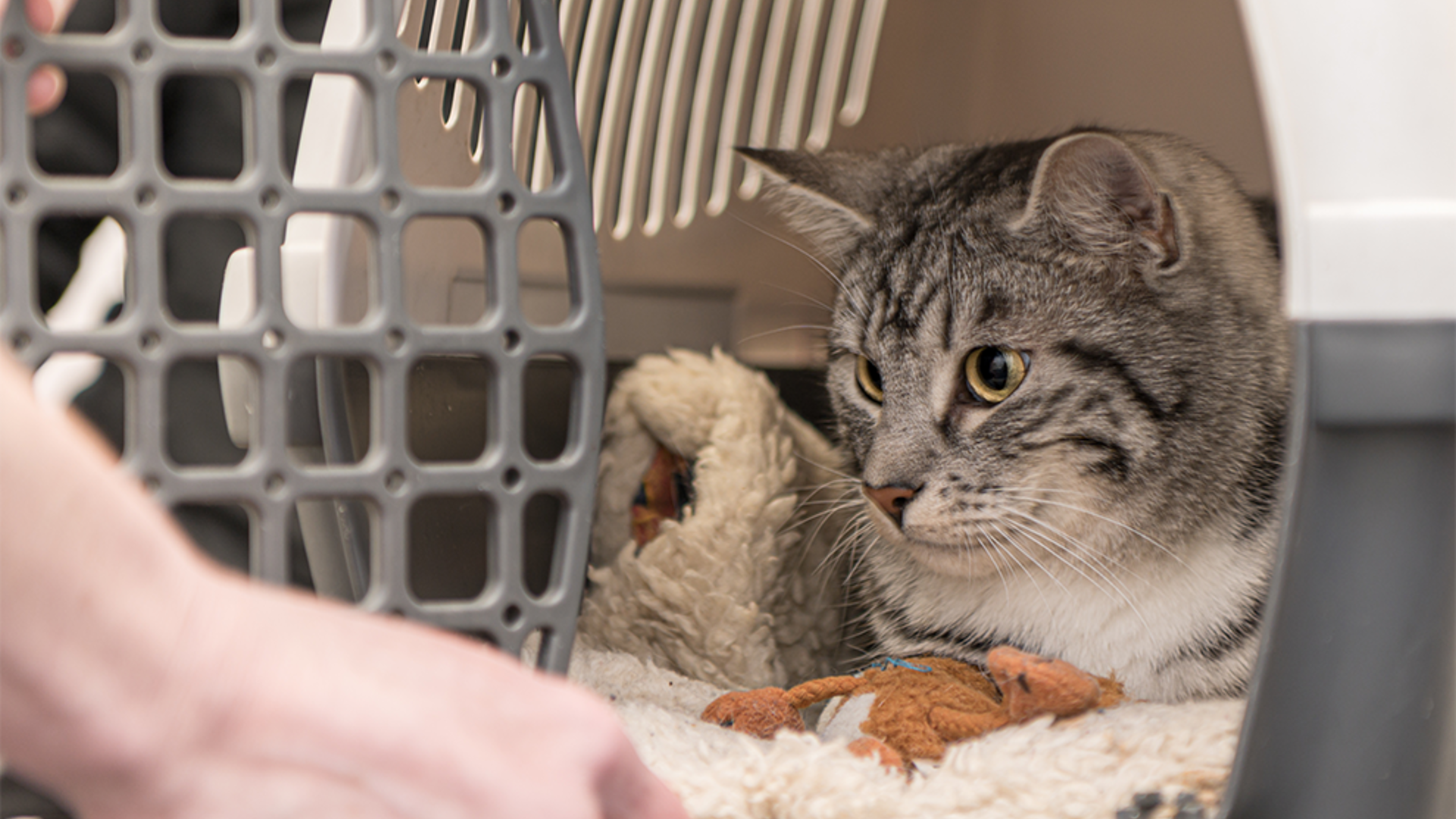
    How to Prepare Your Cat for the Vets

    Making the vets a positive place to be is important for your cat. Your cat will feel more comfortable if they get to know the veterinary environment and the staff.

  2. Transporting your pet

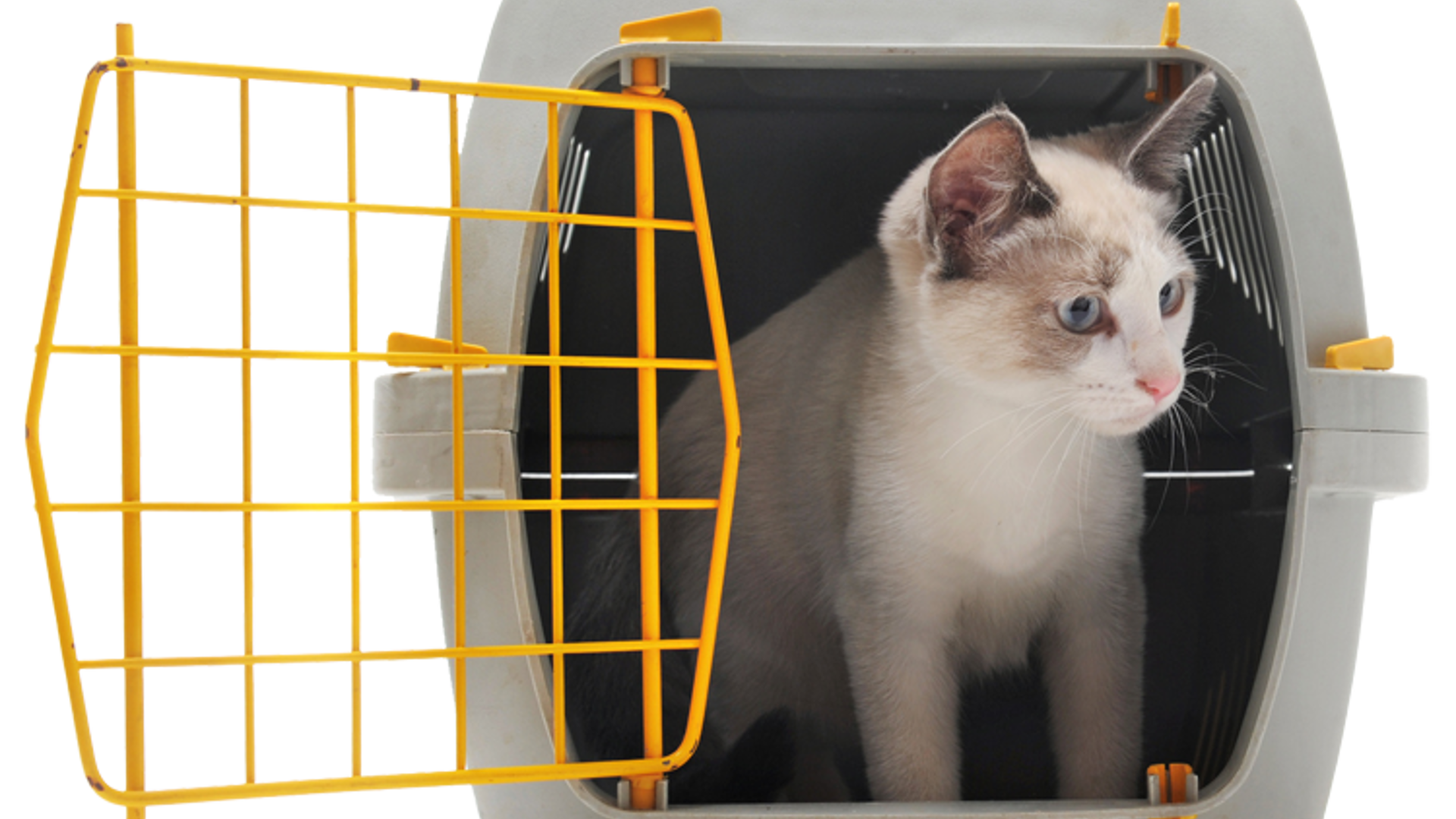
    Cat Carrier Advice

    We know that it's not always easy to prepare your cat for travel so here are some tips which might make the preparations and journey less stressful for you both.

opens in new window