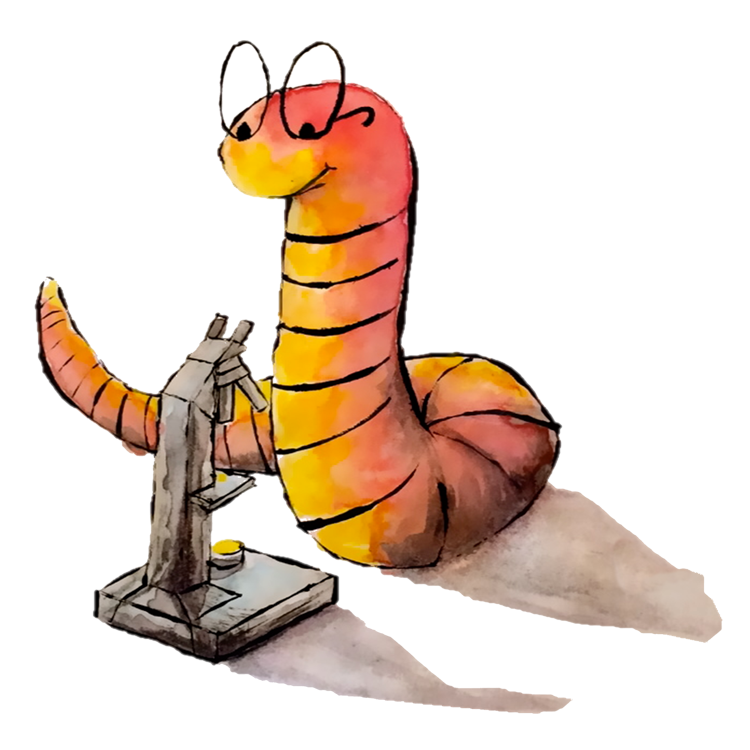
In winter, the redworm larvae can burrow into the gut walls becoming encysted; only certain wormers are effective against this stage of the redworm. Traditionally it has been advised that all horses receive a winter wormer; however this is causing increased resistance to our most crucial worming drugs.
Up to date guidelines advise that routine treatment with winter wormers is not needed in low risk horses; a more individual approach to winter worming is required to ensure our worming drugs work well when needed. Therefore, in early winter after the 3rd worm egg count, the WormWise Programme includes a worm risk assessment.
This phone consultation with one of our vets or SQPs will be an individualised risk assessment to determine your horse’s risk and need for a winter wormer. Should your horse require a winter wormer, this will be discounted for those on the WormWise Programme.
A healthy adult horse can follow a pattern of testing and treating as required. A faecal sample is taken 3 x throughout the grazing season (Spring - March/April, Summer - June/July, and Autumn - September) to check for the presence of redworm / roundworm eggs. If results are low, there will be no need to worm.
If medium or high, the practice will advise you whether to worm and what wormer to use. The aim is not to remove every worm, but to maintain a low population of worms that are still susceptible (not resistant) to the wormers we have available.
A test for tapeworm (EquiSal Tapeworm Saliva Test) should be performed every 6-12 months and we recommend doing this in summer, or at least 6 months after any wormers containing praziquantel (Equest Pramox/ Equimax/ Eqvalan Duo). This is a simple test performed by the owner at home to sample the horse’s saliva.