
Pioneering cartilage restoration offers new hope for dogs with osteochondrosis.
The Small Animal Referral Hospital at Langford Vets, part of the University of Bristol, has become the first veterinary centre in the United Kingdom to perform a canine AutoCart cartilage restoration procedure using the Arthrex Veterinary Systems platform. The landmark surgery was carried out on a young Labrador named Zeus, marking an important step forward in the treatment of challenging cartilage conditions in dogs.
Osteochondritis dissecans (OCD) is a developmental joint disease that affects growing dogs, particularly larger breeds such as Labradors. The condition occurs when abnormal cartilage development leads to the formation of damaged cartilage flaps within a joint, resulting in pain, lameness, inflammation and, ultimately, osteoarthritis. Although traditional surgical techniques can successfully remove damaged cartilage and improve comfort, regeneration of durable cartilage tissue remains one of the greatest challenges in orthopaedic surgery.
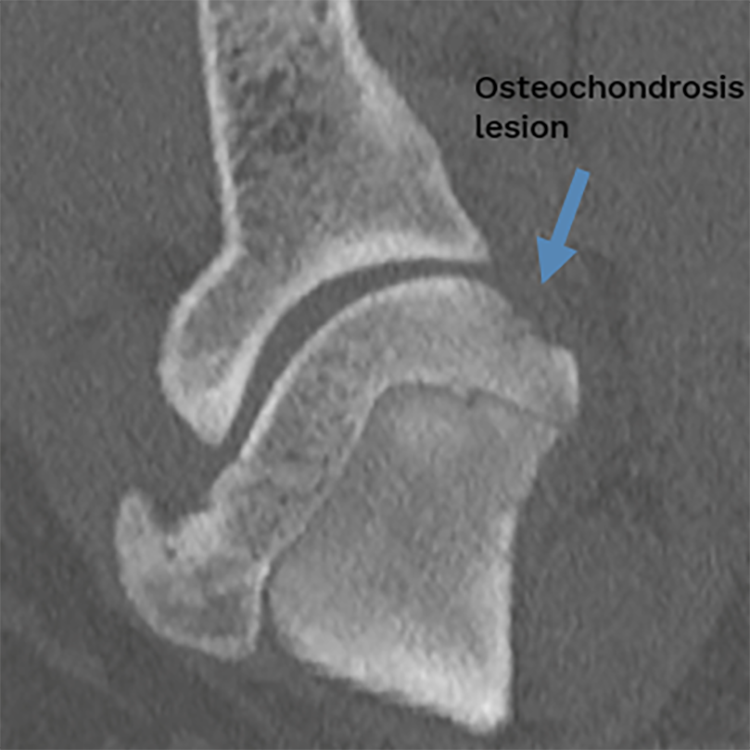
CT image shows osteochondrosis lesion
Osteochondritis dissecans (OCD) is a developmental joint disease that affects growing dogs, particularly larger breeds such as Labradors. The condition occurs when abnormal cartilage development leads to the formation of damaged cartilage flaps within a joint, resulting in pain, lameness, inflammation and, ultimately, osteoarthritis. Although traditional surgical techniques can successfully remove damaged cartilage and improve comfort, regeneration of durable cartilage tissue remains one of the greatest challenges in orthopaedic surgery.
CT image shows osteochondrosis lesion
The procedure was performed by Kevin Parsons, Senior Clinician in Small Animal Orthopaedics at Langford Vets, together with the hospital's multidisciplinary surgical and rehabilitation teams. Zeus, a seven-month-old Labrador, had developed progressive forelimb lameness associated with a large OCD lesion affecting the caudal aspect of the humeral head within his left shoulder. Advanced imaging confirmed progression of the lesion and the presence of multiple osteochondral fragments within the joint.
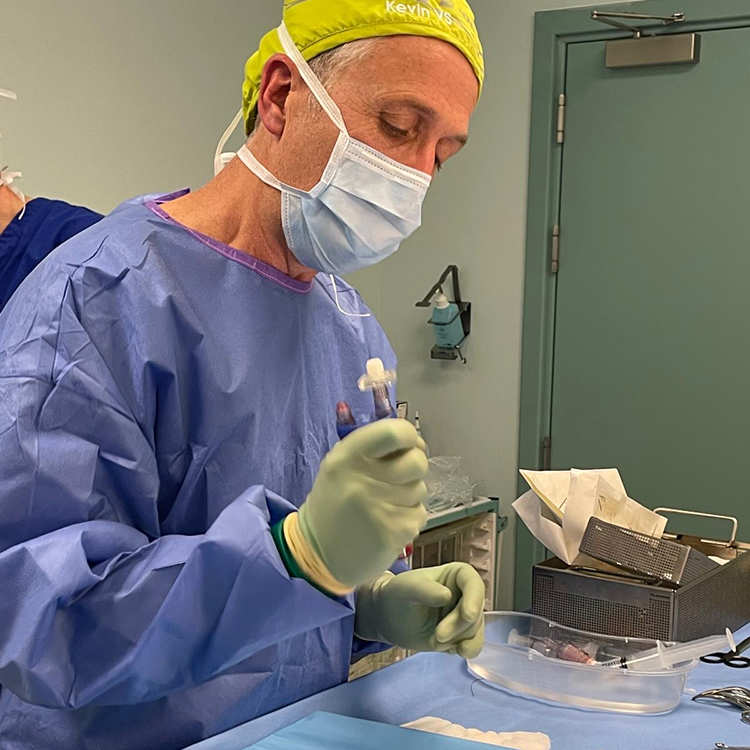
Kevin Parsons in theatre
The procedure was performed by Kevin Parsons, Senior Clinician in Small Animal Orthopaedics at Langford Vets, together with the hospital's multidisciplinary surgical and rehabilitation teams. Zeus, a seven-month-old Labrador, had developed progressive forelimb lameness associated with a large OCD lesion affecting the caudal aspect of the humeral head within his left shoulder. Advanced imaging confirmed progression of the lesion and the presence of multiple osteochondral fragments within the joint.
Kevin Parsons in theatre
Unlike conventional OCD surgery, which focuses on removing diseased cartilage and stimulating repair through techniques such as curettage or microfracture, the AutoCart procedure aims to biologically restore the cartilage surface. Other cartilage restoration options available in veterinary orthopaedics include osteochondral autograft transfer (OATS), which transplants healthy cartilage and bone from another site within the patient's body, and synthetic osteochondral resurfacing implants. AutoCart offers a different approach by utilising the patient's own cartilage and biologic blood products. During surgery, damaged cartilage and loose osteochondral fragments are collected and processed into a cartilage graft. This material is then combined with biologically active components derived from the patient's own blood before being implanted directly into the cartilage defect.
In Zeus' case, surgeons harvested cartilage from the periphery of the OCD lesion and retrieved osteochondral fragments from within the shoulder joint. Sixty millilitres of blood were processed using the Arthrex Autologous Conditioned Plasma (ACP) system to generate platelet-rich plasma. The processed cartilage and plasma were combined to create a biologic graft, which was secured within the defect using autologous thrombin. The reconstructed graft successfully covered approximately 90% of the cartilage lesion.
Cartilage injuries have historically been very difficult to treat because articular cartilage has a limited ability to heal. AutoCart is an exciting development because it uses the patient's own cartilage and biologic products in an attempt to enhance repair of the damaged joint surface. While long-term veterinary studies are still needed, the technique offers a promising new approach for selected patients
The introduction of AutoCart reflects the growing adoption of biologic and regenerative technologies in veterinary orthopaedics. While restorative cartilage procedures such as osteochondral autograft transfer (OATS) have previously been described in dogs, there are currently no published canine studies evaluating AutoCart. The procedure has, however, attracted considerable interest in human orthopaedic medicine and is now becoming available within specialist veterinary practice through the Arthrex Veterinary Systems platform.
Following surgery, Zeus recovered uneventfully and has entered a structured rehabilitation programme involving physiotherapy, strict activity restriction, and progressive return to function. Close monitoring over the coming months will assess his clinical recovery and longer-term outcome.
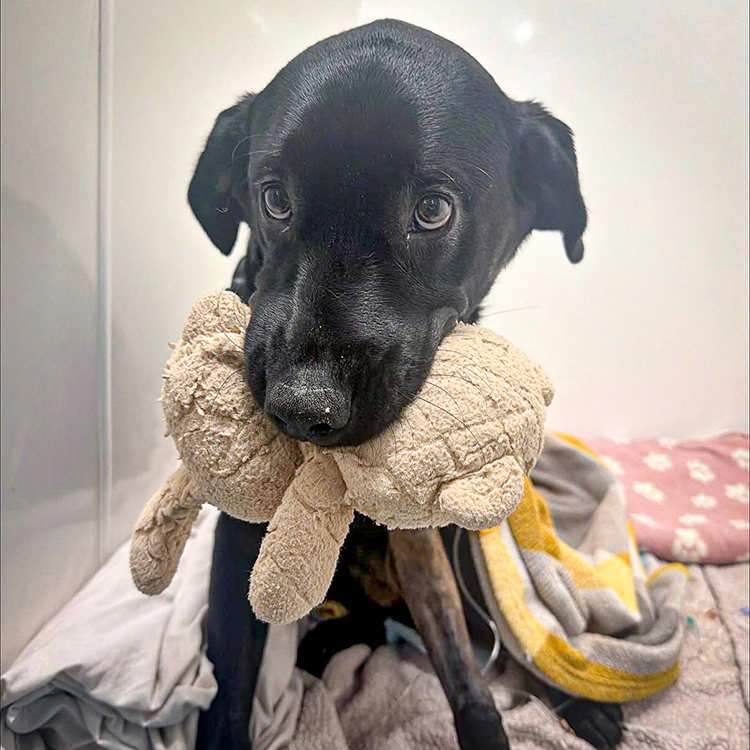
Zeus
Following surgery, Zeus recovered uneventfully and has entered a structured rehabilitation programme involving physiotherapy, strict activity restriction, and progressive return to function. Close monitoring over the coming months will assess his clinical recovery and longer-term outcome.
Zeus
As a leading referral centre for orthopaedic surgery, Langford Vets continues to invest in innovative techniques and evidence-based treatments aimed at improving outcomes for companion animals. The successful completion of the UK's first canine AutoCart procedure represents another milestone in the hospital's commitment to advancing veterinary surgery and translating emerging technologies into clinical practice.
We’re incredibly proud to support the veterinary community and work alongside such passionate people. For us at Arthrex Vet Systems, it’s about more than the products. It’s about building long-term relationships, supporting education, and ultimately helping vets achieve the best possible outcomes for their patients.
For referring veterinary surgeons and pet owners, this development expands the range of treatment options available for dogs affected by significant cartilage lesions, providing access to advanced biological reconstruction techniques that were previously unavailable in the UK.